About us
Your street. Your city. Your science.
Science shapes everyday life, yet it isn't always visible in everyday and public spaces. It should also be present where people live, move, wait, and meet. As a project of the Science Year 2026 – Medicine of the Future, science streets brings research into everyday life: public advertising spaces become low-threshold learning environments. Comics on advertising columns, at bus stops, and on public transport reach people on their daily routes, including those who might not otherwise actively engage with scientific content. We want to embed science into everyday situations, creating an intuitive access point that stays memorable. With science streets, Leipzig becomes an open space for learning, curiosity, and exchange.
Following our campaign month in August 2026, several events will invite people to explore the topics in greater depth and actively participate. These include an exhibition of the comics with interactive activities and music at the “Art & Science Open Air”, a children’s workshop entitled “Draw Your Own Comic”, and a workshop aimed at scientists from other disciplines on how the concept can be adapted and reused. The closing event as part of the "Art & Science Open Air" is funded by the Daimler and Benz Foundation through its “Innovative Science Communication” funding programme.
This year’s theme: neuroscience
The first edition of science streets is dedicated to neuroscience. Neuroscience concerns us all. It offers insights into mental health, ageing, and neurodegenerative diseases, while also revealing individual differences, sex-specific health risks, and the influence of lifestyle factors such as sleep, nutrition, and stress. Our comics explore questions about the brain and everyday life: how we sleep, learn, feel, age, make decisions, and experience the world. By making this content accessible, the project empowers people to make informed health decisions, promotes healthier lifestyles, and helps them understand the direct relevance of brain research to everyday life.
Why comics?
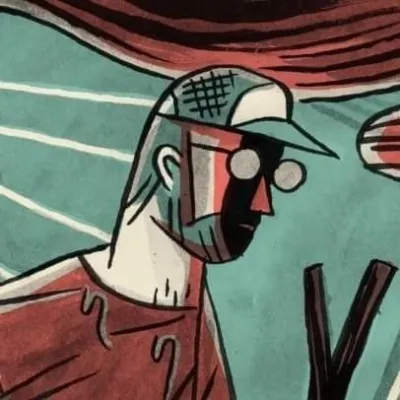
Comics can make science feel less distant. Rather than isolated facts, comics tell science through concrete, visual narratives. Images, language, rhythm, and humour work together to make even complex content accessible without overwhelming the reader. This creates an intuitive understanding that sparks curiosity and invites further thought, while allowing content to be absorbed at one's own pace. The visual approach helps overcome language barriers, age limits, and educational hurdles, offering a low-threshold entry point especially for people with little prior contact with science, as well as for children. It is precisely in public spaces like science streets that comics unfold their particular strength: they translate research into something that stands out, is fun, sparks reflection, and stays memorable.
How it works: from Research to a Comic
Every science streets comic begins with a question: something exciting and relevant, connected to current research. The comics are created through direct collaboration between scientists and illustrators, who work together to transform research content into a visual story, creating content that is both well-founded and engaging. The scientists ensure the content is factually accurate, while the illustrators make sure the presentation is understandable, visually compelling, and inviting. If you spot a comic in the city, the QR code will take you straight to further information on this website. We warmly invite you to discover all eleven comics and their accompanying content. Enjoy exploring!
Get involved / collaborate
Following our action month in August 2026, we invite you to further events that offer a deeper dive into the topics and encourage active participation: an exhibition of the comics with interactive activities and music at the "Art & Science Open Air" (funded by the Daimler und Benz Stiftung), a children's workshop "Draw Your Own Comic," and a follow-up-use workshop for scientists from other disciplines. science streets is carried by the collaboration between science, illustration, education, and public space. We invite researchers, artists, educators, as well as institutions and organisations interested in making science more visible and accessible. All comics are available for free download and use in your own educational projects. To help us further develop the project, we'd also love to hear your feedback through our survey: every contribution helps us evaluate science streets and make it even better.